



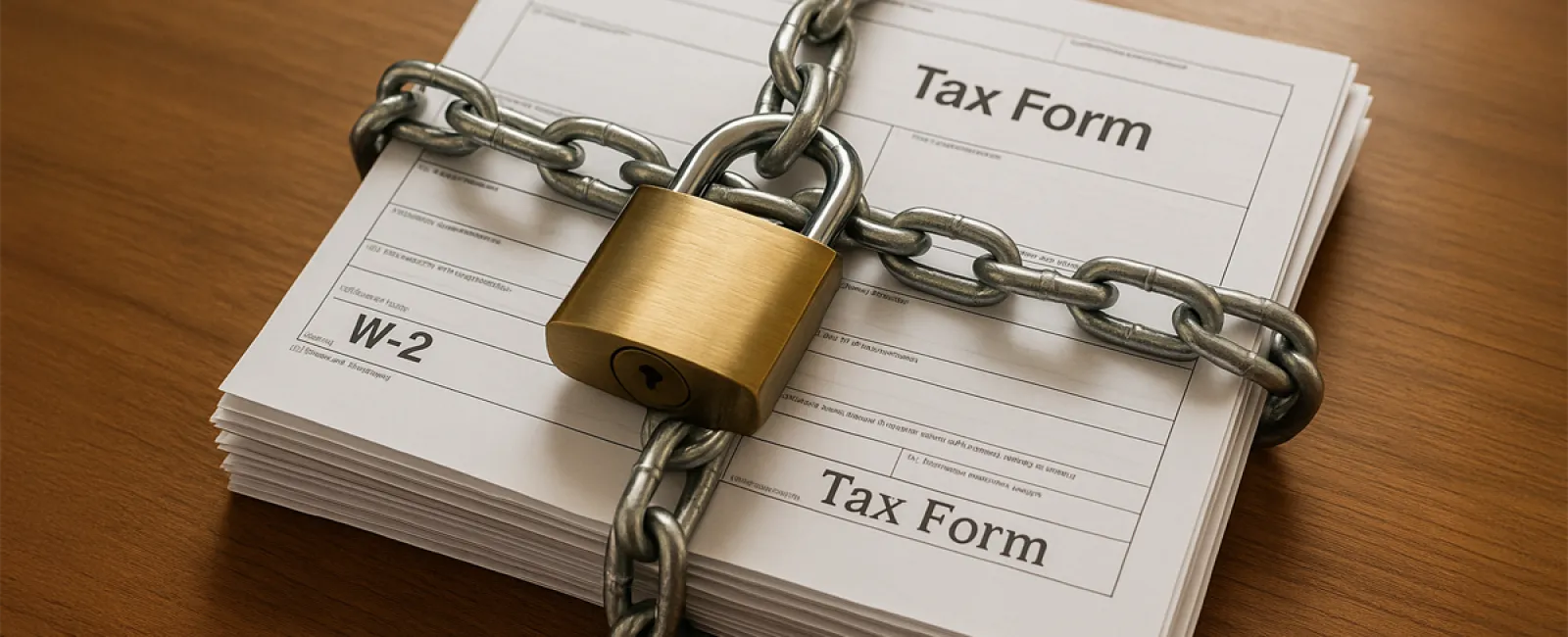
It's February, and the intensity of tax season is on the rise. Accountants are busier than ever, bookkeepers are gathering piles of documents, and everyone's focus is locked on W-2s, 1099s, and looming deadlines.
But here's the often overlooked challenge of tax season: the first major headache doesn't usually come from a tax form—it comes from a clever scam.
This particular scam is notorious for striking early, even before April's deadline hits. It's simple, convincing, and targets small businesses. In fact, it may already be lurking in someone's inbox at your company.
Understanding the W-2 Scam: A Breakdown
Here's the typical scenario:
An email appears to come from your CEO, owner, or another senior leader—usually sent to whoever manages payroll or HR.
The message is brief and urgent:
"I need copies of all employee W-2s for a meeting with the accountant. Please send them over ASAP—I'm swamped today."
It feels authentic. The tone matches the busy tax season, the urgency is believable, and the request seems perfectly reasonable.
So your employee dutifully sends the W-2s.
But here's the twist: the email isn't actually from your CEO. It's from a cybercriminal using a spoofed address or a look-alike domain.
Now that criminal holds every employee's sensitive information:
• Full legal name
• Social Security number
• Home address
• Salary details
All the data needed for identity theft and fraudulent tax filing—before your employees even file their returns.
The Aftermath: What to Expect
Victims typically discover the breach when:
An employee's tax return is rejected with "Return already filed for this Social Security number."
Someone else has already filed a tax return under that employee's identity and claimed the refund.
Your employee is left tangled in IRS disputes, credit monitoring headaches, identity restoration procedures, and months of stressful paperwork—all due to a document they unknowingly shared.
Imagine that nightmare multiplied across your entire workforce. Now picture having to explain to your team how their private information was compromised because someone fell for a fraudulent email.
This isn't just a matter of cybersecurity; it's a trust issue, a human resources crisis, a potential legal liability, and a major blow to your company's reputation.
Why the W-2 Scam Is So Effective
This scam stands out because it doesn't look outlandish like some common phishing attempts.
Here's why it works so well:
Perfect timing: W-2s are routinely requested in February, so the ask doesn't raise suspicion.
Reasonable request: Unlike obvious scams demanding money or gifts, this is a plausible tax-related inquiry.
Natural urgency: "I'm slammed today, please send this right away" sounds typical in a fast-paced office.
Convincing sender identity: Cybercriminals research their targets, using real CEO or accountant names, and craft believable emails.
Helpful employees: Desire to support leadership often leads employees to act quickly without verifying.
How to Safeguard Your Business Before the Scam Strikes
The bright side is that these scams are preventable—not with complex tech alone, but through strong policies and a vigilant culture.
Implement a strict "no W-2s by email" policy. No exceptions. Sensitive payroll documents must never leave your premises via email. Any request—even one supposedly from the CEO—must be declined.
Confirm all sensitive requests through a secondary method. Whether a phone call, face-to-face conversation, or internal chat, verify any data requests using known contact details—not those provided in the suspect email. Spending just 30 seconds here can prevent months of damage control.
Hold a brief tax scam awareness session immediately. Don't delay. Educate your payroll and HR teams on the increased risk and how these scams operate. Awareness is your first line of defense.
Secure all payroll and HR platforms with multi-factor authentication (MFA). If credentials are compromised, MFA acts as a critical barrier against unauthorized access.
Foster a culture that values verification over speed. Encourage employees to double-check and praise those who question unusual requests—especially from executives. When suspicion is rewarded, scammers lose their foothold.
These five straightforward rules are easy to adopt this week and powerful enough to block the initial wave of attacks.
Seeing the Bigger Tax Season Threat
The W-2 scam is just the beginning.
Expect a surge of tax-related cyberattacks between now and April, including:
• Fake IRS notices demanding urgent payment
• Phishing campaigns masked as tax software updates
• Spoofed emails from "your accountant" containing harmful links
• Fraudulent invoices mimicking legitimate tax expenses
Tax season attracts criminals because everyone's busy, rushing, and accustomed to financial requests.
Companies that navigate tax season without incident succeed because they are prepared—with clear policies, ongoing training, and secure systems that identify suspicious activities before disaster strikes.
Is Your Business Prepared to Defend Itself?
If your company already has strong security policies and an informed team, you're ahead of many small businesses.
If that's not the case, now is the critical moment to act—not after the first breach occurs.
If this conversation resonates with you, schedule a quick 15-minute Tax Season Security Check.
During this review, we'll cover:
• Payroll and HR system access controls and MFA
• Best practices for verifying W-2 requests
• Email safeguards that detect spoofing
• A crucial policy adjustment most businesses overlook
And if you already have robust defenses, that's fantastic—but chances are you know a business that could benefit. Feel free to share this article with them. It could prevent a costly disaster.
Click here or give us a call at 804-796-2631 to schedule your free 15-Minute Consult.
Remember, tax season is stressful enough without adding the burden of identity theft.


