



March has arrived.
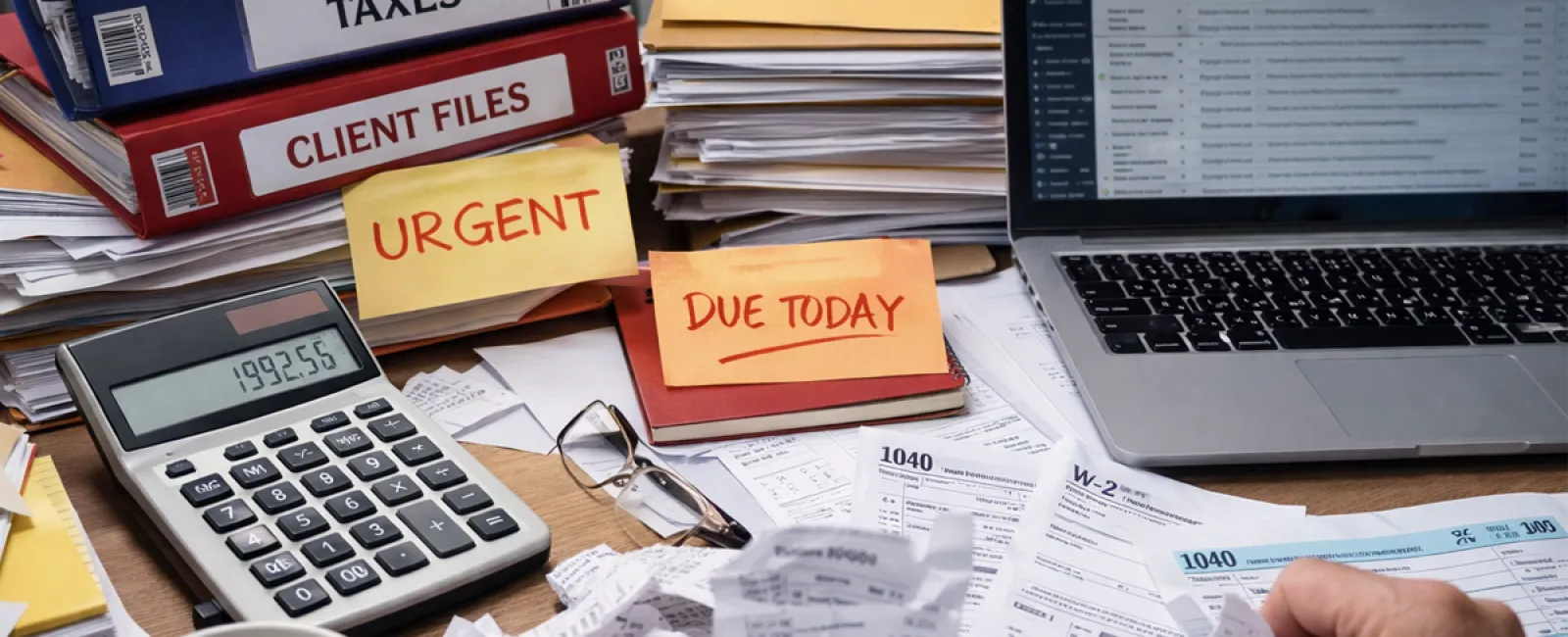
Accountants are overwhelmed. Bookkeepers are racing against time. Deadlines are fast approaching, and inboxes overflow with emails demanding immediate attention.
Everyone is laser-focused, just trying to make it through this hectic season.
You're no stranger to this reality.
But neither are cybercriminals.
Security experts consistently observe a dramatic surge in phishing attacks during tax season, with March alone seeing about a 28% jump in tax-related scam emails compared to quieter periods. These deceptive emails are crafted to seamlessly blend into typical business correspondence during the busiest time of year.
This is no accident.
It's strategic timing.
Here's what's ahead — and four straightforward strategies to protect your business from becoming an easy target.
Stress in the Supply Chain
What many overlook is this:
Hackers don't only focus on accounting departments.
They exploit the pandemonium surrounding them.
When tax season hits:
- Clients hurriedly send sensitive documents without usual precautions
- Team members bypass standard verification steps to handle increased workloads
- Requests for files replace cautious procedures with "just send it" attitudes
- Verification is skipped because everyone is overwhelmed
The entire network accelerates.
And that rush is exactly where errors creep in.
Cybercriminals target not steady firms, but those caught in the whirlwind.
March is that whirlwind.
Spotlight on Typical Attacks
This isn't fiction.
It's an email indistinguishable from your usual inbox flood.
- A note "from your accountant" requesting re-submission of W-2s due to missing files
- A vendor email claiming bank information revisions that demand updates
- A DocuSign prompt for tax paperwork that "requires your immediate signature"
- An urgent message "from your CEO" traveling and needing instant assistance
These all seem legitimate.
That's their strength.
Why Busy Professionals Fall Prey
This isn't about carelessness.
It's about human nature.
Faced with overflowing inboxes and tight timelines, individuals scan instead of read, assume rather than verify, and respond rapidly.
Scammers exploit this exact behavior.
Their tactics are crafted for people in motion—no need for recklessness, only busyness.
And in March, almost everyone is speeding.
Four Straightforward Tips to Avoid Easy Targets
The silver lining? You don't require high-end tools or security teams to safeguard your business.
A handful of deliberate habits during high-pressure months go a long way.
1. Confirm payment updates by phone
If you receive an email indicating a vendor's banking information changed, resist replying directly.
Instead, use a verified phone number to confirm the update verbally.
This simple practice blocks many of the costliest business scams.
2. Pause on urgent requests for sensitive data
Urgency is your cue to stop and verify.
If someone demands W-2s, tax files, or financial documents "immediately," take a moment to confirm.
Genuine senders expect brief delays; scammers do not.
3. Double-check "urgent" emails through alternative channels
When emails claim urgency, confirm via a different method.
A quick call, text, or internal message can avert costly mistakes.
True emergencies withstand two minutes of scrutiny, scams crumble.
4. Alert your team with a quick reminder
This week, let your team know tax season invites scams.
Encourage them to slow down, double-check details, and speak up when something feels off.
This simple shift in culture prevents unnecessary troubles down the line.
Final Thoughts
Tax season brings enough pressure without the added burden of falling victim to scams.
The attacks during this period aren't ingenious—they're meticulously timed.
They bank on rushed decisions.
They depend on assumptions.
They thrive on the March rush.
You don't need a full system overhaul to stay safe.
Just slow down at critical moments and verify urgent requests.
Often, that's enough.
Busy-Season Self-Check
Your company might already be practicing strong security habits—and that's excellent.
However, if tax season typically drives reactive behavior, or you're uncertain how your team handles urgent demands under stress, consider a quick sanity review with a free 15-Minute Consult.
No gimmicks. No pressure. Just a clear assessment to see if simple changes could save you from major headaches this season.
If this message doesn't fit your business, please share it with someone it does.
Click here or give us a call at 804-796-2631 to schedule your free 15-Minute Consult.


