



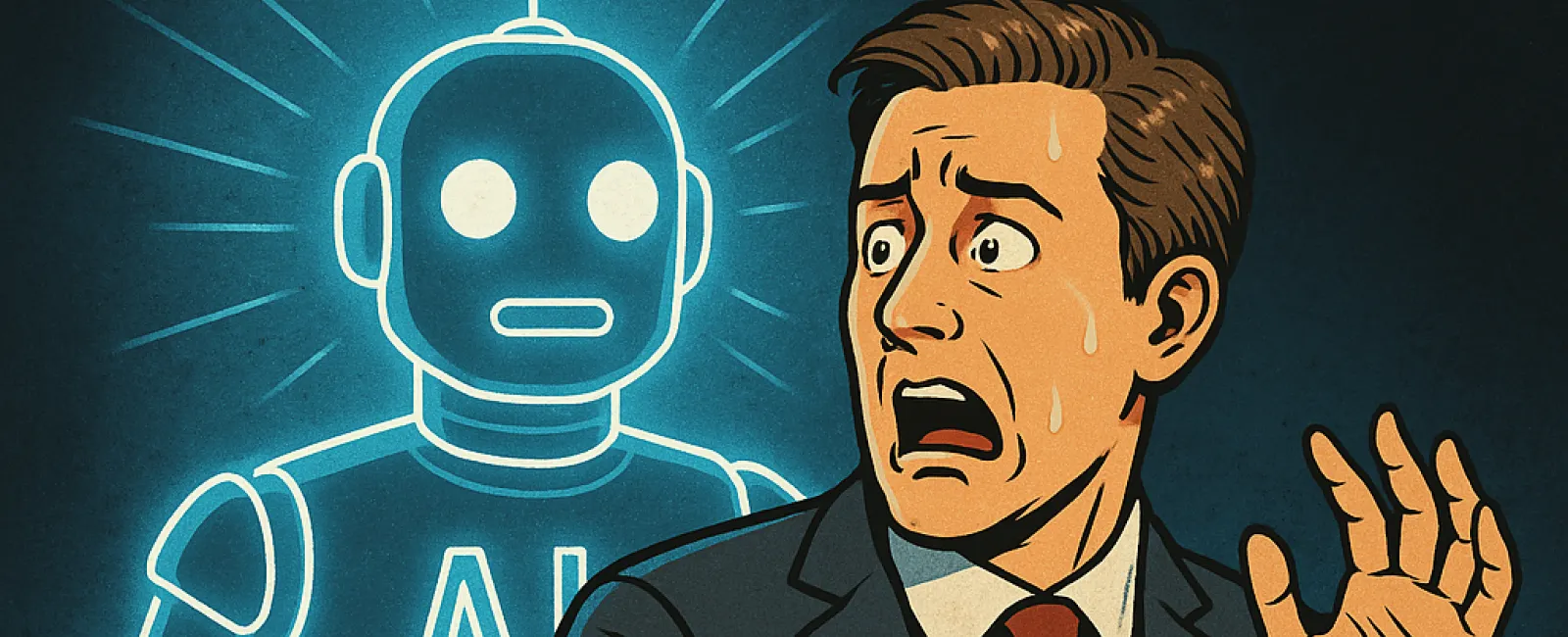
Artificial Intelligence is transforming the business landscape at lightning speed, unlocking powerful new opportunities. But with this rapid evolution, there's a darker side: cybercriminals have equal access to these AI tools to exploit and deceive. Let's illuminate some of the hidden threats lurking beneath the surface.
Imposters in Your Video Calls: Beware of Deepfake Scams
Deepfake technology, powered by AI, has reached unsettling levels of realism, making it a dangerous weapon for social engineering attacks targeting businesses.
Take, for example, a recent case where an employee at a cryptocurrency organization was confronted with several deepfaked images of their senior leadership during a Zoom meeting. These videos urged the employee to install a Zoom extension to grant microphone access—opening the door for a North Korean cyberattack.
These scams are disrupting traditional verification methods. To protect your business, watch for warning signs like inconsistent facial features, unusual lighting, or awkward pauses during video calls.
Phishing Emails Get Smarter—Stay Vigilant
Phishing emails have long plagued organizations, but now AI enables attackers to craft messages with flawless grammar and no spelling mistakes, making them harder to detect.
Moreover, AI-powered tools are integrated into phishing campaigns to translate deceptive emails and landing pages into multiple languages, amplifying their reach.
Despite these advances, established security measures remain effective. Employing multifactor authentication (MFA) significantly strengthens your defenses, as unauthorized users are unlikely to have your external devices like smartphones. Additionally, ongoing security training equips your employees to spot subtle cues such as urgent language that signal phishing attempts.
Fake AI Tools: Malware Disguised as Innovation
Cybercriminals exploit AI's popularity by creating counterfeit "AI video generators" or software that seem legitimate but are actually loaded with malware. These deceptive tools often capitalize on trending topics or seasonal events such as Black Friday to lure victims.
For instance, a TikTok account offered tutorials for "cracked software" bypassing licenses for apps like ChatGPT via PowerShell commands, but was in reality running a malware campaign uncovered by security researchers.
To defend your business, prioritize security awareness training and consult your Managed Service Provider to vet AI tools before adoption.
Ready to Eliminate AI-Powered Threats from Your Business?
Though AI-driven risks are growing, you don't have to face them alone. Implementing strong safeguards will keep your organization ahead of deepfakes, phishing, and malicious AI software.Click here or give us a call at 804-796-2631 to schedule your free 15-Minute Consult today and let's talk through how to protect your team from the scary side of AI ... before it becomes a real problem.


